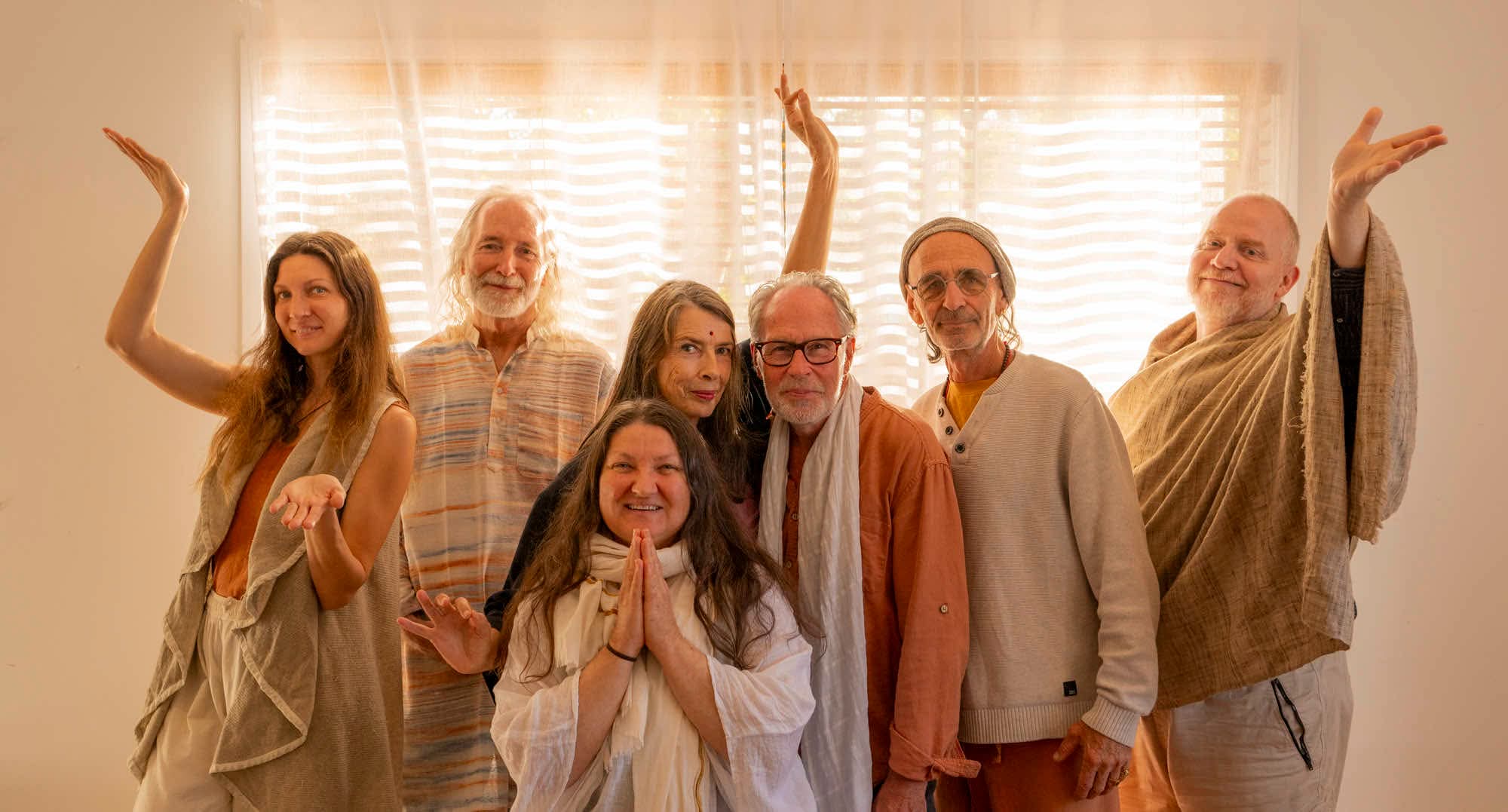
Experience Kirtan
We love kirtan and bringing kirtan to you
- Website updated 15 August 2026 -
Click anywhere in the image below to see a joyous chant
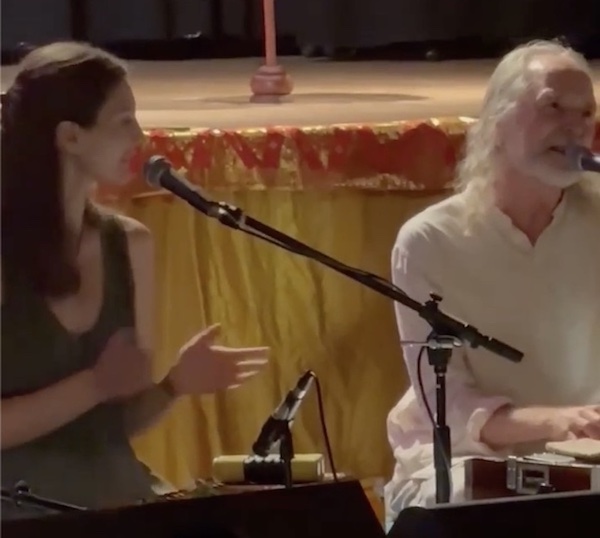
Excerpt from Kirtan gathering June 2026
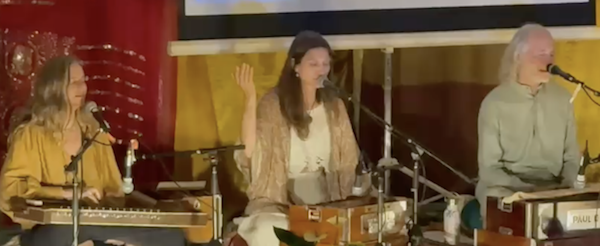
Here is the video of the entire kirtan event on 11 July 2026. Thanks to Hielrick for filming and recording.
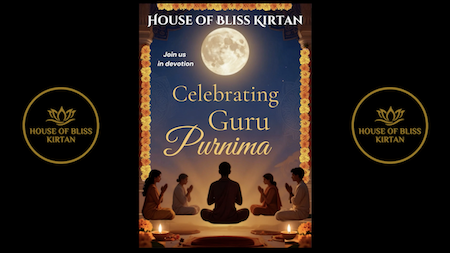
We’re so happy you found your way here.
Once a month, we come together in music, mantra, and heartfelt connection. Our regular kirtan event is on the second Saturday of every month in the Memorial Hall at Brunswick Heads, NSW, Australia.
-
Through the ancient practice of Kirtan, we sing sacred sounds that open the heart, quiet the mind, and bring us into harmony with one another.
You don’t need to know the chants or have any musical background, simply come as you are. Sing, listen, sway, or rest in the vibration of shared sound and presence.
-
Please get on our mailing list (form below) to find out about our kirtan events.
Each gathering is an offering of gratitude, a moment to remember the stillness within and the joy of being together in song. May the sound guide us home to the heart.
Portfolio
Here we plan to show you photos of kirtan events we have been involved with
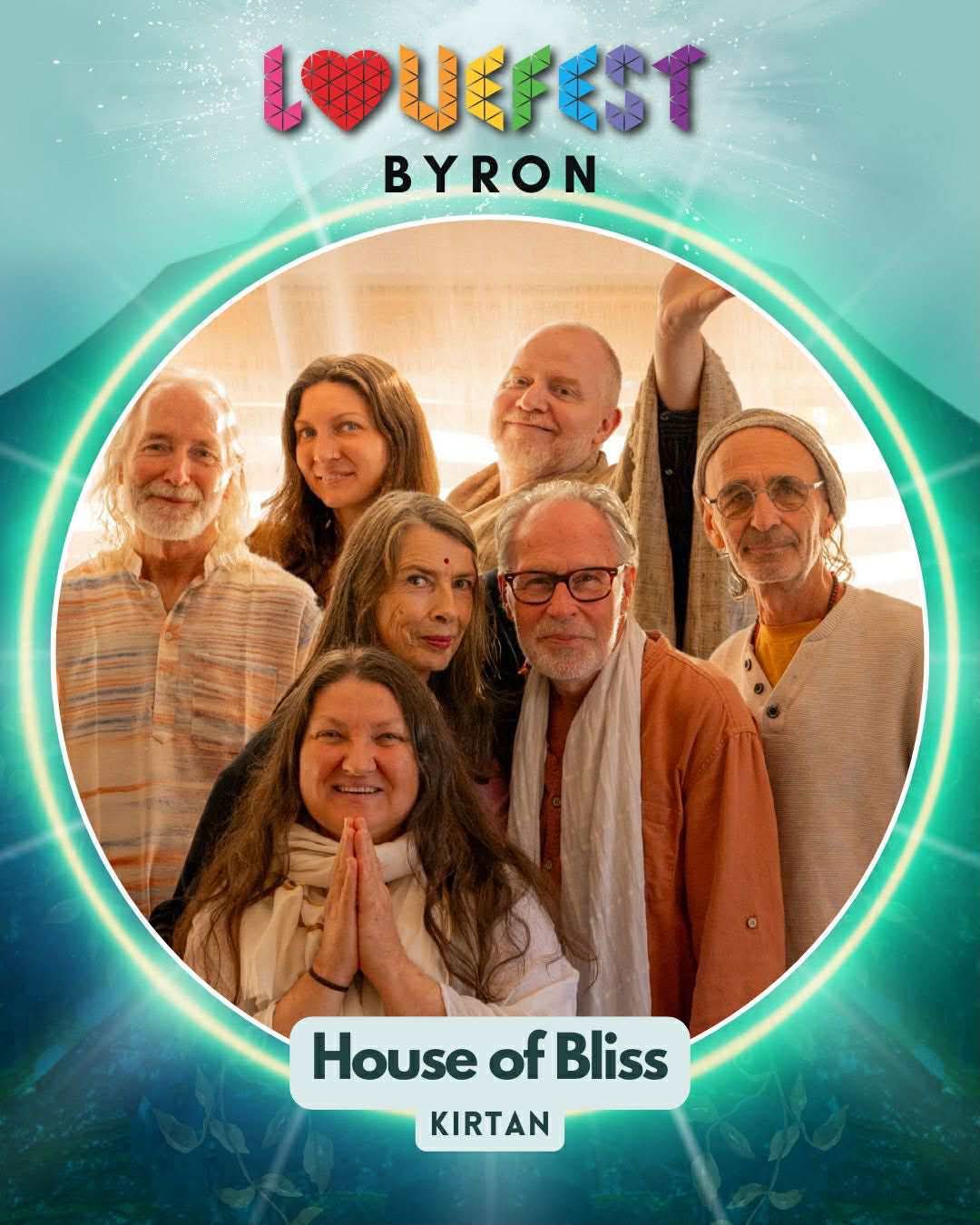
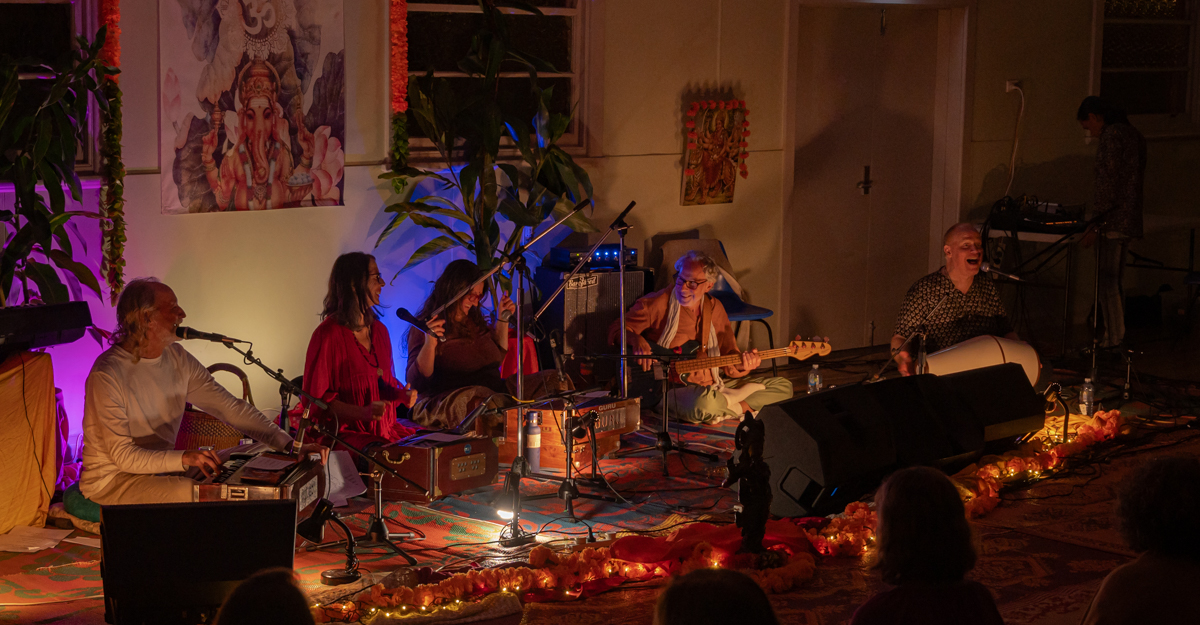
Frequently Asked Questions
Please get in touch via the Contact form below if you have any queries. We will answer them as best we can.
What is kirtan?
Kirtan is an ancient practice of connecting with the divine through the "call and response chanting" of ancient mantras - often praising specific deities like Lord Shiva, Lord Krishna, Goddess Durga/Kali, etc - generally with musical accompaniment.
The word "mantra" literally means "delivering/protecting the mind".Kirtan often begins with a contemplative/meditative and mellow musical introduction and, with the leader setting the melody and mood and the assembly responding, typically builds in intensity until those present feel the urge to dance.
Is Kirtan part of a specific religion or a cult?
Kirtan is a spiritual practice derived from Hindu traditions (Bhakti Yoga) and is also important in Sikhism and some forms of Buddhism, but it is not a "religion" in itself. It is often practiced in secular settings like yoga studios.
What is the purpose of Kirtan?
The purpose is to connect with the divine (whatever that means to you), calm the mind, and experience inner peace and joy through the power of sacred sound.
What is the structure of a Kirtan session?
Sessions usually involve the repetition of mantras or devotional songs (bhajans) in a call-and-response format, often accompanied by instruments like harmonium, tabla, and kartals (small cymbals). The pace and volume may build to a crescendo and then soften again.
Do I have to sing in a foreign language (like Sanskrit)?
Chants often use Sanskrit or other sacred languages, but transliterated lyrics are usually provided. The leader typically chants a line, and the group repeats it (call-and-response), making it easy to follow along.
Do I need to be a good singer or a musician to participate?
No, you do not. Kirtan is a practice for everyone, regardless of musical ability. The focus is on opening your heart and participating, not on performance.
What does "mantra" mean?
Mantra is a sacred sound, word, or phrase repeated to aid in concentration and spiritual transformation. Popular examples include the Hare Krishna mantra or "Om Shanti Om".
The word "mantra" literally means "delivering/protecting the mind".What are the benefits of kirtan?
Our minds in our everyday lives are typically absorbed in the ups and downs of life - sometimes happy, sometimes sad, sometimes scared, etc. And we might be burdened by unhelpful thoughts or worldviews.
Because of the divine origins of these mantras, they have the power to elevate our consciousness - to rise above the pains and mundane pleasures, the fears and anxieties, the craving and the lamenting and to situate us on a higher plane of consciousness whereby we no longer identify wholly with the temporary fortunes and misfortunes of this world, realise our eternal natures distinct from the bodies we inhabit and feel genuine love, compassion and kinship for all sentient beings.
Kirtan offers a transcendent form of pleasure - ananda/bliss - far beyond any gratification otherwise available in this mortal realm.
So is kirtan a religious thing?
One certainly doesn't need to approach it that way - and there is no pre-requisite of conforming to particular beliefs in order to participate. The key thing is to listen and respond. That said, the most potent essence of any mantra is the name of the deity being praised or petitioned - and if there is genuine affection and regard for them in one's chanting, then They reciprocate and confer their blessings. The process is experiential - with no conditions imposed on the participant.
Do I need to be Hindu or religious to practice it?
No. Kirtan is for all people and focuses on universal spiritual principles like love and devotion, not religious affiliation.
What will I feel during or after Kirtan?
Experiences vary, but many people report feeling relaxed, joyful, blissful, and connected to others or a higher power.
Can Kirtan help with stress or anxiety?
Yes, the practice of chanting is known for its ability to reduce stress, promote emotional well-being, and quiet the "monkey mind".
Team
Here are photos of some of the House of Bliss Band Members
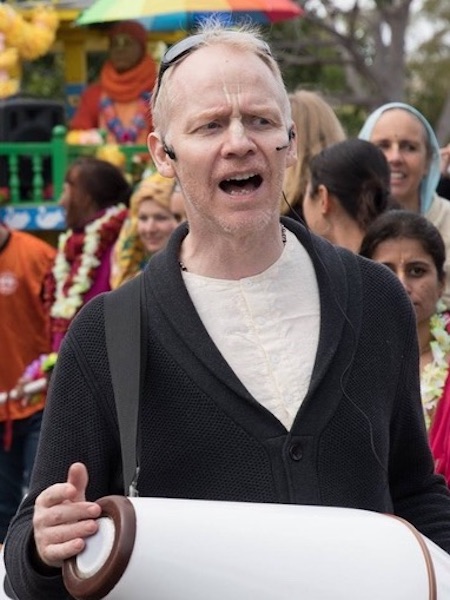
Damodara Dasa
Mrdanga Drum and Vocals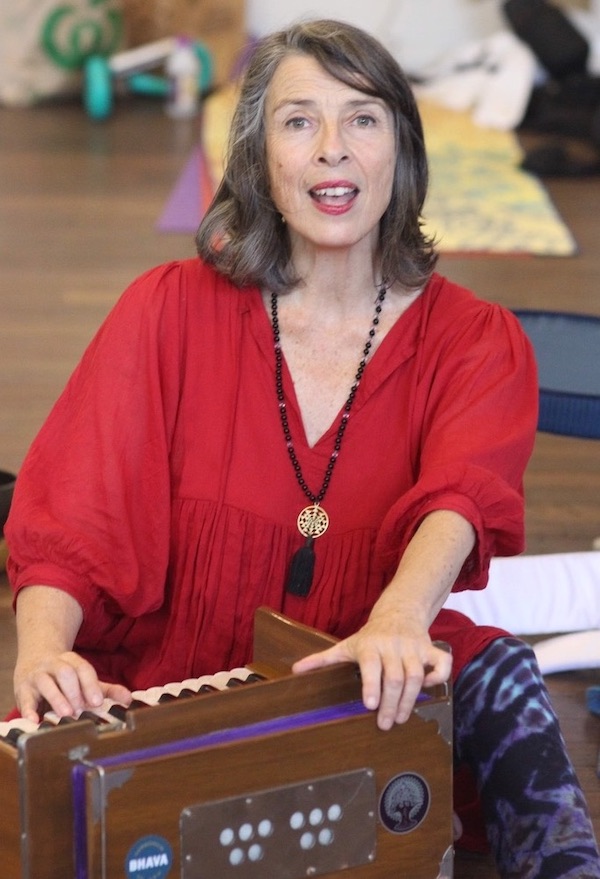
Kathryn Riding
Vocals and Harmonium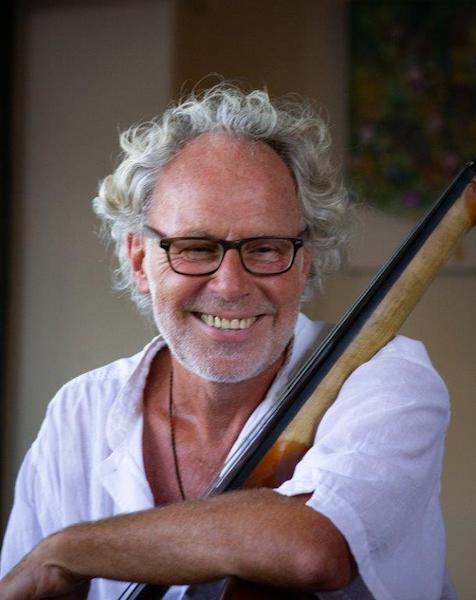
George Urbaszek - Bass
Web Developer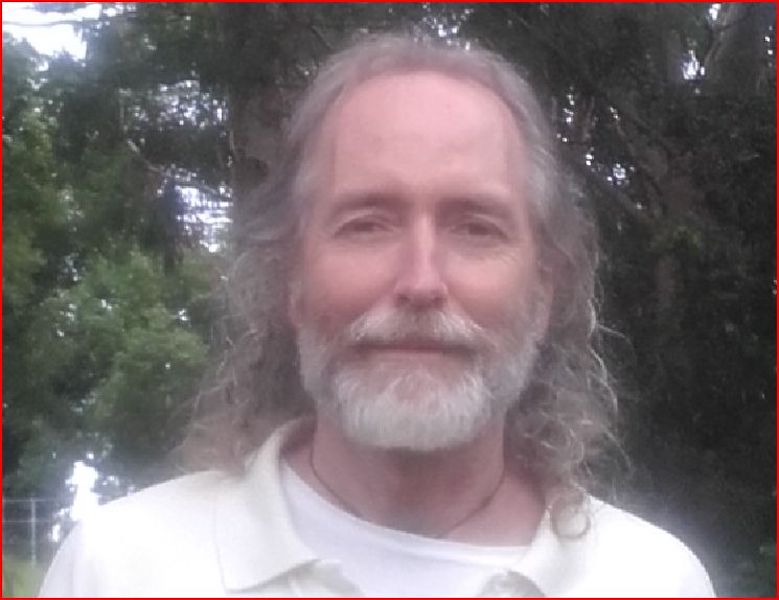
Peter Walkden Brown - Vocals, Harmonium, Arranger
Band Leader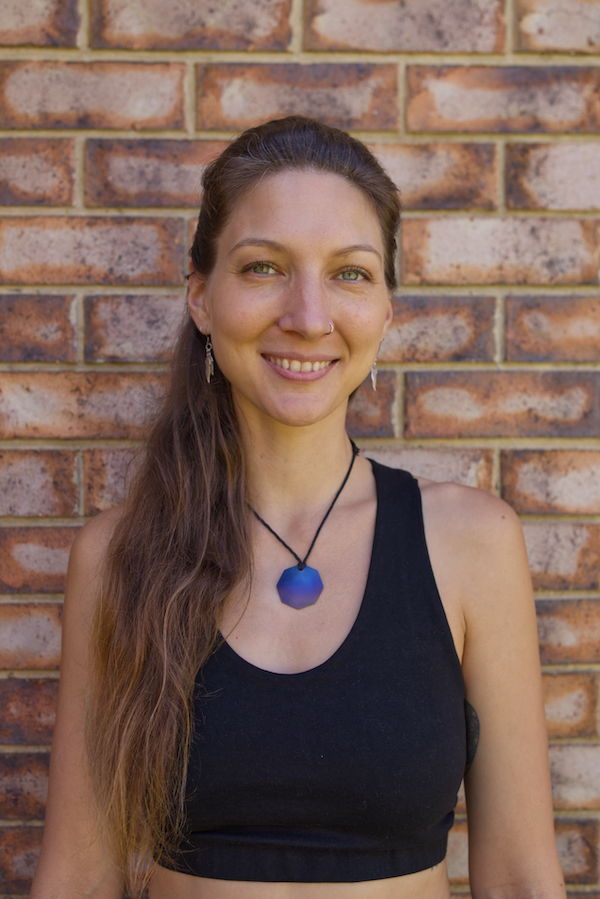
Cornelia Truemper
Vocals and HarmoniumContact
Please get in touch if you have any queries
Address
1/26i Coomburra Cres, Ocean Shores, NSW, Australia
Call Us
Email Us
info@houseofblisskirtan.com
© Copyright Ninestars All Rights Reserved